Офисная мебель in 2024: what's changed and what works
Office Furniture in 2024: What's Changed and What Works
The office furniture world has been through a blender these past few years. Between remote work shaking everything up and people actually caring about their spines, the stuff filling our workspaces looks nothing like it did in 2019. I've spent months talking to manufacturers, designers, and people who actually sit in these chairs for eight hours a day. Here's what's actually working right now.
1. Hybrid-Ready Furniture Is the Only Game in Town
Nobody's buying massive conference tables that seat 24 anymore. The shift hit hard around 2023, but 2024 cemented it. Companies are investing in modular pieces that can transform a space from individual focus zones to collaboration areas in about 15 minutes. Think benching systems with removable privacy screens, tables on casters that nest together, and seating that works for both laptop warriors and casual meetings.
Herman Miller's recent data showed that 68% of their corporate orders now include reconfigurable elements versus 23% in 2019. That's not a trend—that's a complete flip. The winning pieces? Mobile whiteboards that double as space dividers, height-adjustable desks that multiple people can use throughout the day, and storage units that create impromptu meeting nooks. Your office furniture now needs to work harder than your intern.
2. Ergonomics Got Serious (And Affordable)
Here's something wild: decent ergonomic chairs used to start at $800. Now you can grab legitimate lumbar support and adjustable armrests for around $350. The pandemic sent everyone scrambling for home office gear, which meant manufacturers had to scale up production and compete on price. We all won.
But it's not just about cheaper chairs. The ergonomic conversation expanded to include sit-stand desk converters (starting around $120), monitor arms that prevent neck strain, and footrests that actually matter for shorter folks. Companies are also ditching the "one chair fits all" approach. Progressive offices now stock 3-4 different seating options because a 6'4" developer and a 5'2" accountant need completely different support systems. Shocking, right?
3. Acoustic Solutions Became Non-Negotiable
Open offices aren't dead, but they finally got the memo about noise. Acoustic panels, phone booths, and sound-dampening furniture exploded in 2024. We're talking about a 40% increase in acoustic product sales compared to last year alone.
The smart money is going into furniture that pulls double duty. Sofas with high backs that create natural sound barriers. Desk dividers made from felt or recycled materials that absorb conversations. Even planters designed with sound diffusion in mind. A decent phone booth runs about $4,000-$7,000, but companies are discovering that's cheaper than losing talent because Karen from sales won't stop talking about her cats during deadline week.
4. Sustainability Stopped Being a Buzzword
Used to be that "eco-friendly" furniture meant paying triple for something that looked like it belonged in a commune. Not anymore. Manufacturers figured out that sustainability can look good and cost less when you design for longevity and use recycled materials smartly.
Steelcase's latest line uses 47% recycled content and costs within 10% of their traditional offerings. Interface's carpet tiles are made from reclaimed fishing nets. Even budget brands are offering furniture with Greenguard certification, which means it's not off-gassing chemicals into your workspace. Companies are also embracing refurbished furniture programs—buying back old pieces, refurbishing them, and reselling at 30-50% off new prices. Your CFO loves it, your sustainability report loves it, and honestly, a refurbished Aeron chair works exactly like a new one.
5. The Home Office Aesthetic Invaded Commercial Spaces
Corporate lobbies now look like upscale living rooms, and it's intentional. After two years of working from couches, nobody wants to come back to fluorescent-lit cube farms. The residential-commercial hybrid style took over in 2024.
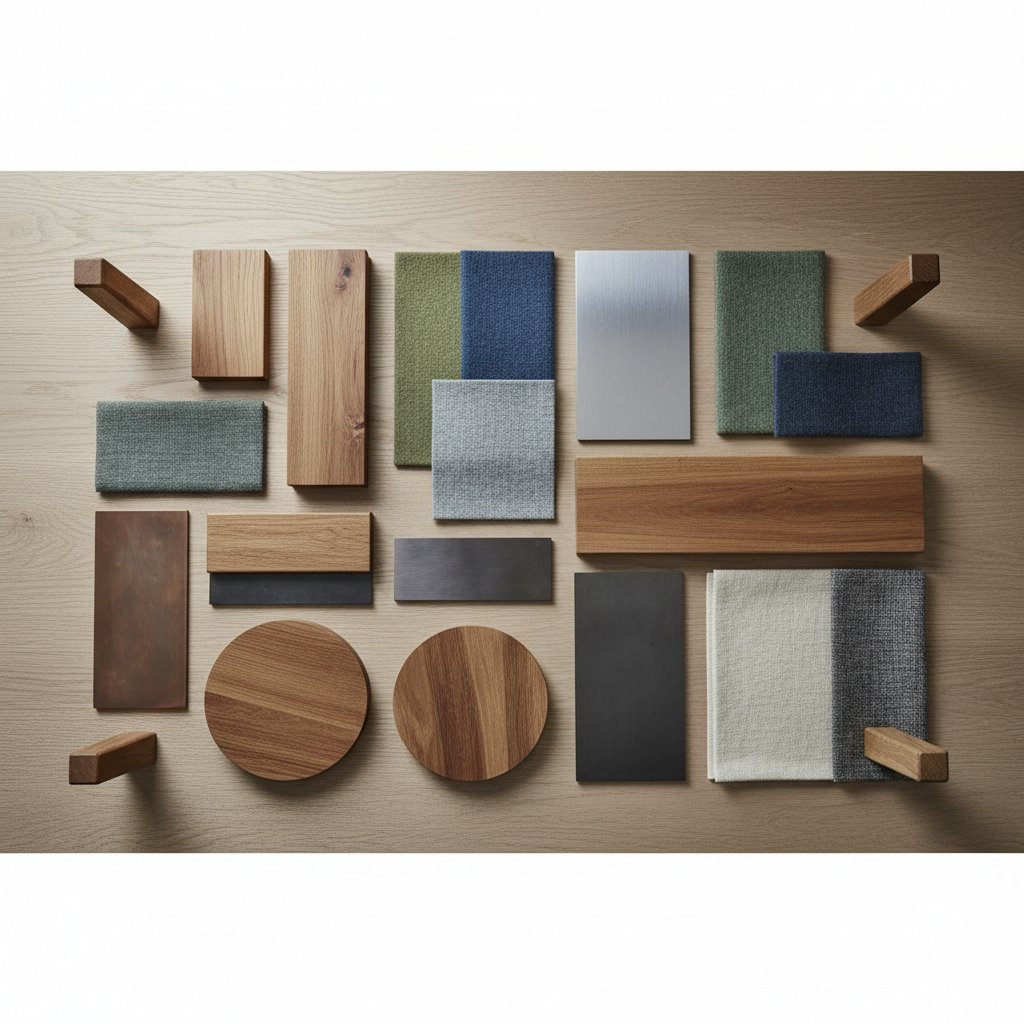
We're seeing lounge seating in 70% of new office designs, according to Gensler's latest workplace survey. Wooden elements, warm metals, and actual colors beyond gray and navy are everywhere. Breakout spaces feature coffee table books, table lamps instead of overhead lighting, and chairs you'd actually want in your house. This isn't about being trendy—it's about acknowledging that people are choosing between their comfortable home setup and your office. You better make it appealing.
6. Tech Integration Became Seamless (Finally)
Remember when "smart furniture" meant a desk with a wonky USB port that never worked? 2024 fixed that. Furniture designers finally started working with actual tech people, and it shows.
Wireless charging is built into desks and conference tables as standard, not an upcharge. Cable management is actually managed—channels, grommets, and routing that makes sense. Height-adjustable desks have memory presets so multiple users can program their preferred heights. Some conference tables now include embedded screens and automatic camera tracking for hybrid meetings. The tech doesn't feel tacked on anymore. It's just part of how furniture works, like drawers or legs.
The office furniture landscape in 2024 reflects how we actually work now, not how some architect in 1995 thought we should work. The pieces that win are flexible, comfortable, honest about their environmental impact, and smart enough to handle our tech without making us want to flip a desk. If your office still looks like "The Office" from 2005, it's time to evolve. Your people—and their backs—will thank you.